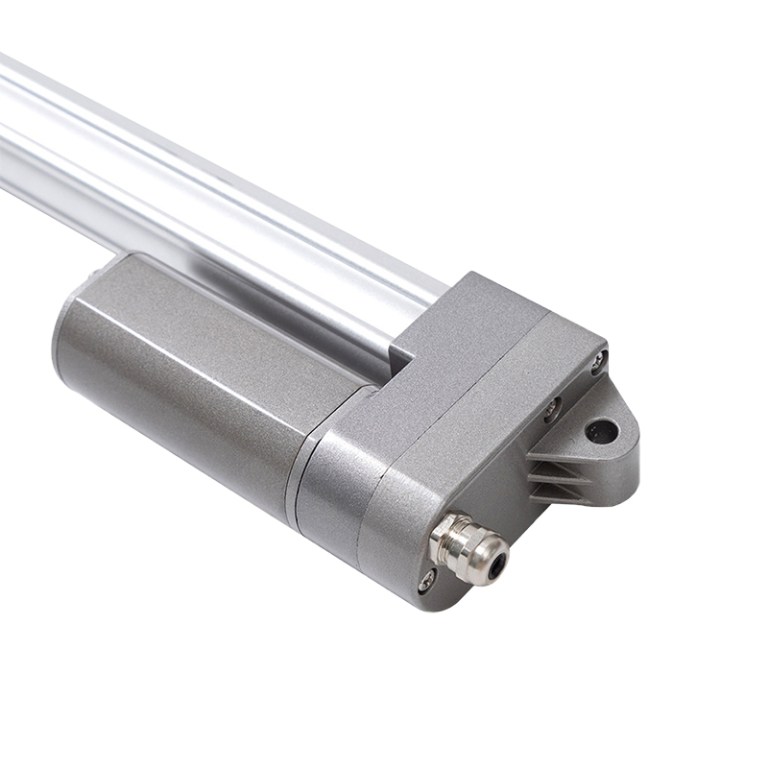
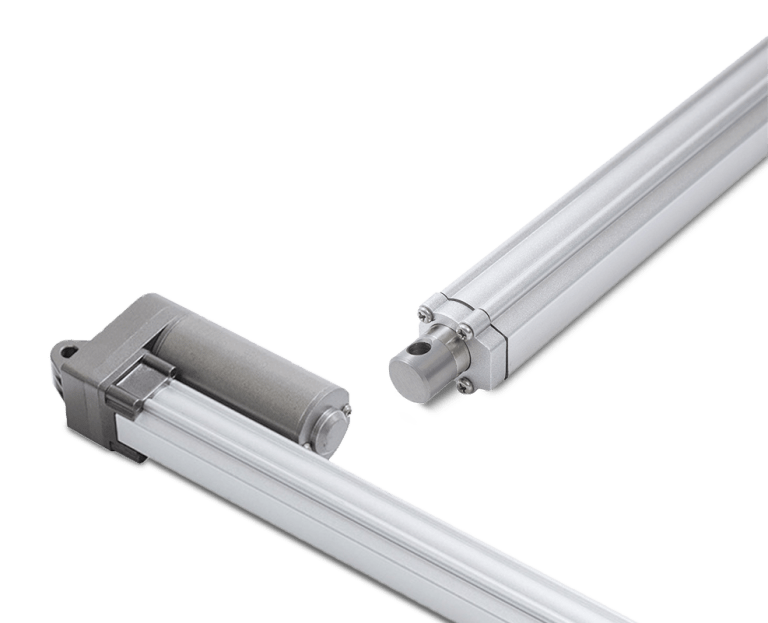
Shape the future of your industrial automation.
Our linear actuators offer unmatched thrust, long life, and plug‑and‑play connectivity.

Maintenance Tips The main body of BLDC motors barely suffers wear. Around 90% of malfunctions stem from electronic control systems. No mechanical maintenance is required; only regular inspection of wiring and controller status is needed
4.1 Common Failures of Brushed DC Motors
Root cause: Worn-out carbon brushes and carbon deposits on the commutator create poor electrical contact, resulting in reduced power transmission.
Uneven brush wear or eccentric rotor causes friction noise and operational vibration.
Long-term high-frequency operation and excessive contact resistance of brushes lead to excessive motor temperature rise.
Maintenance Tips
Brushed motors are consumable repairable components. Regular carbon dust cleaning and brush replacement can extend service life. Annual inspection every 1–2 years is recommended for harsh working environments.
4.2 Common Failures of BLDC Brushless Motors
Mostly caused by faulty Hall sensors or damaged drive controllers; no mechanical wear occurs inside the motor itself.
Faulty electronic control programs or signal interference to sensors lead to inaccurate speed regulation and positioning.
Caused by worn gearboxes; the motor body has no wearable mechanical parts.
Maintenance Tips The main body of BLDC motors barely suffers wear. Around 90% of malfunctions stem from electronic control systems. No mechanical maintenance is required; only regular inspection of wiring and controller status is needed